Stewarding the Mind in the Age of AI: 10 Guardrails to Protect Your Thinking
In 2007 the iPhone revolutionised communication, reaching 100 million users in just 3.6 years. Yet it took almost two decades before most people acknowledged the link between smartphones, the social media they enable, and today’s mental-health crisis and erosion of purpose.
In 2022 ChatGPT, the first public conversational AI assistant, reached the same 100 million-user mark in only two months—twenty-one times faster than the iPhone.
If we wait another twenty years to recognise AI’s potential harms, we will have volunteered ourselves—and our children—as lab rats in a global experiment on human consciousness.
God offers a wiser path.
Our ten Guardrails for responsible AI provide a framework for discernment as AI weaves itself into our daily lives. Even if you think you are not using AI, you probably are—often without realising it—and its presence will only grow.
That future need not be bleak.
Used within clear guardrails, AI can serve us, and the good of humanity, rather than merely feeding our appetite for instant gratification. Below we outline some of those fruitful uses.
Ten Guardrails for Responsible AI use
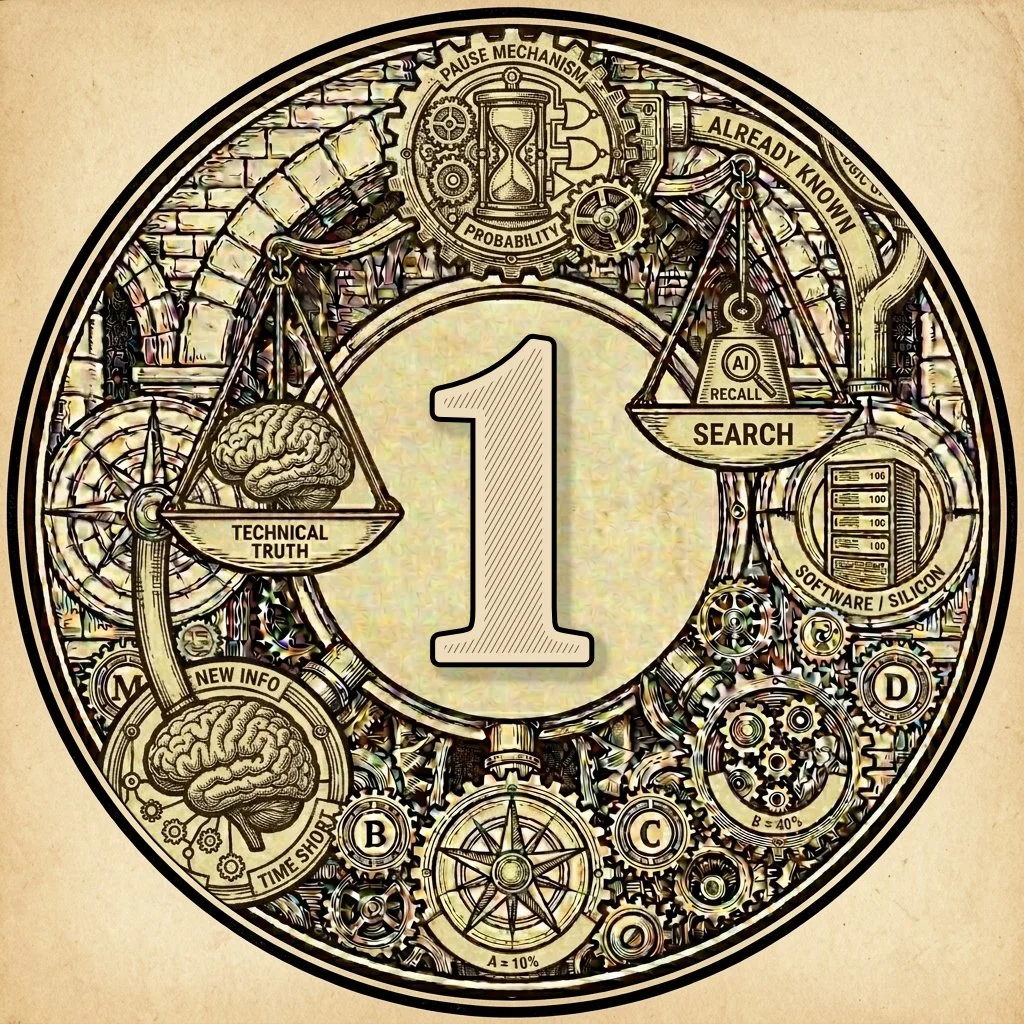
Don’t search for what you already know
Give your memory a chance before you search. Retrieval practice strengthens long-term recall. If the information is genuinely new—or time is genuinely short—then search.
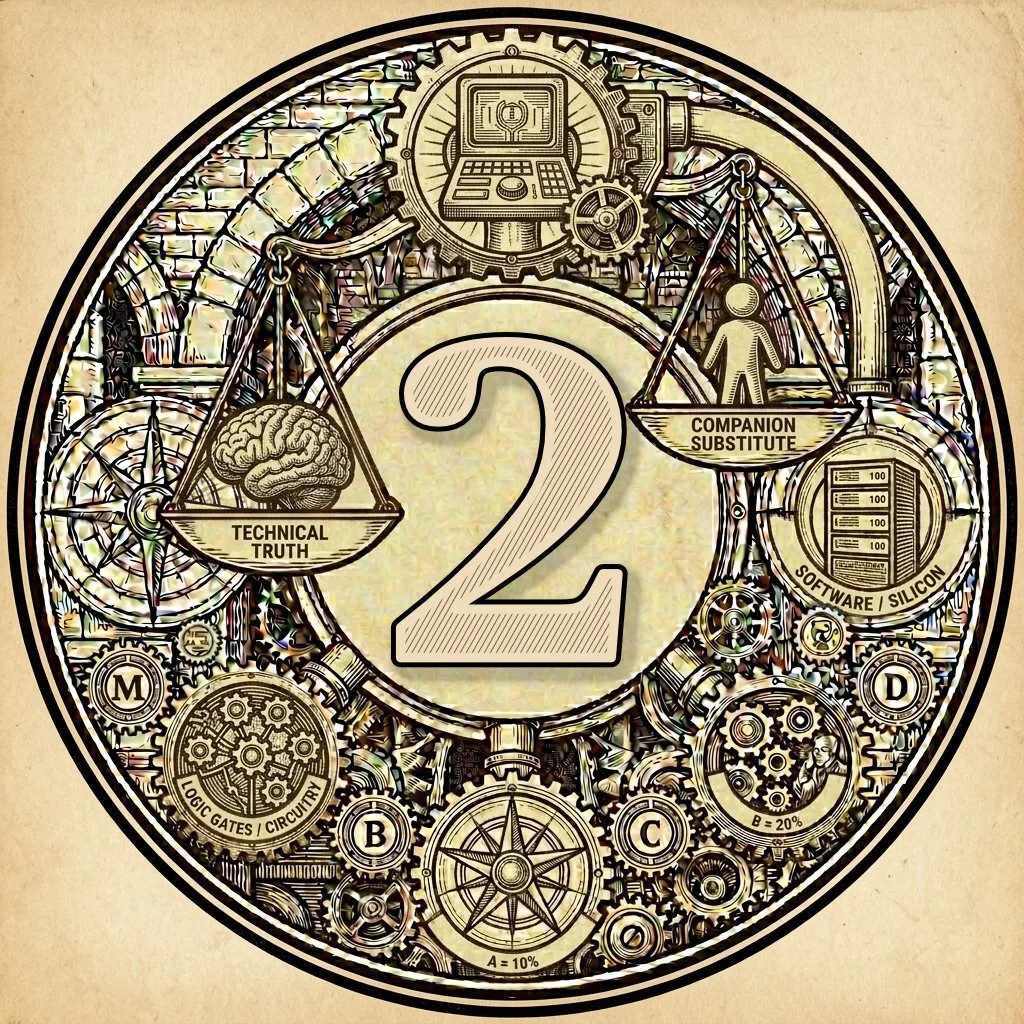
Don’t treat AI as human
Remember: Siri, Alexa, ChatGPT, Gemini, and the rest are tools, not persons. Refer to them as ‘it,’ not ‘he’ or ‘she.’ They are sophisticated software running on silicon, not bearers of God’s image nor substitutes for human companionship.
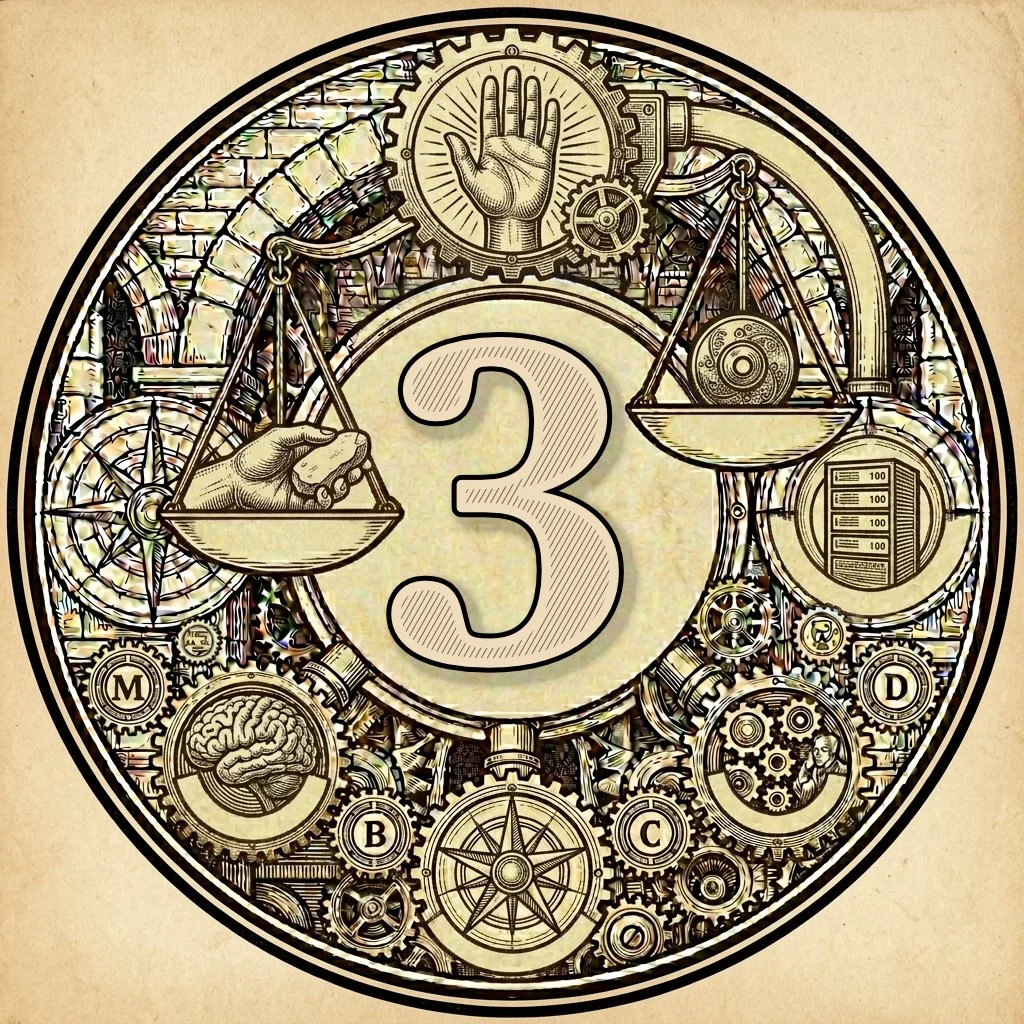
Embrace the first draft
Write your own rough draft first; the mental effort helps ideas stick. Afterward, feel free to use AI to polish your prose against clear criteria.
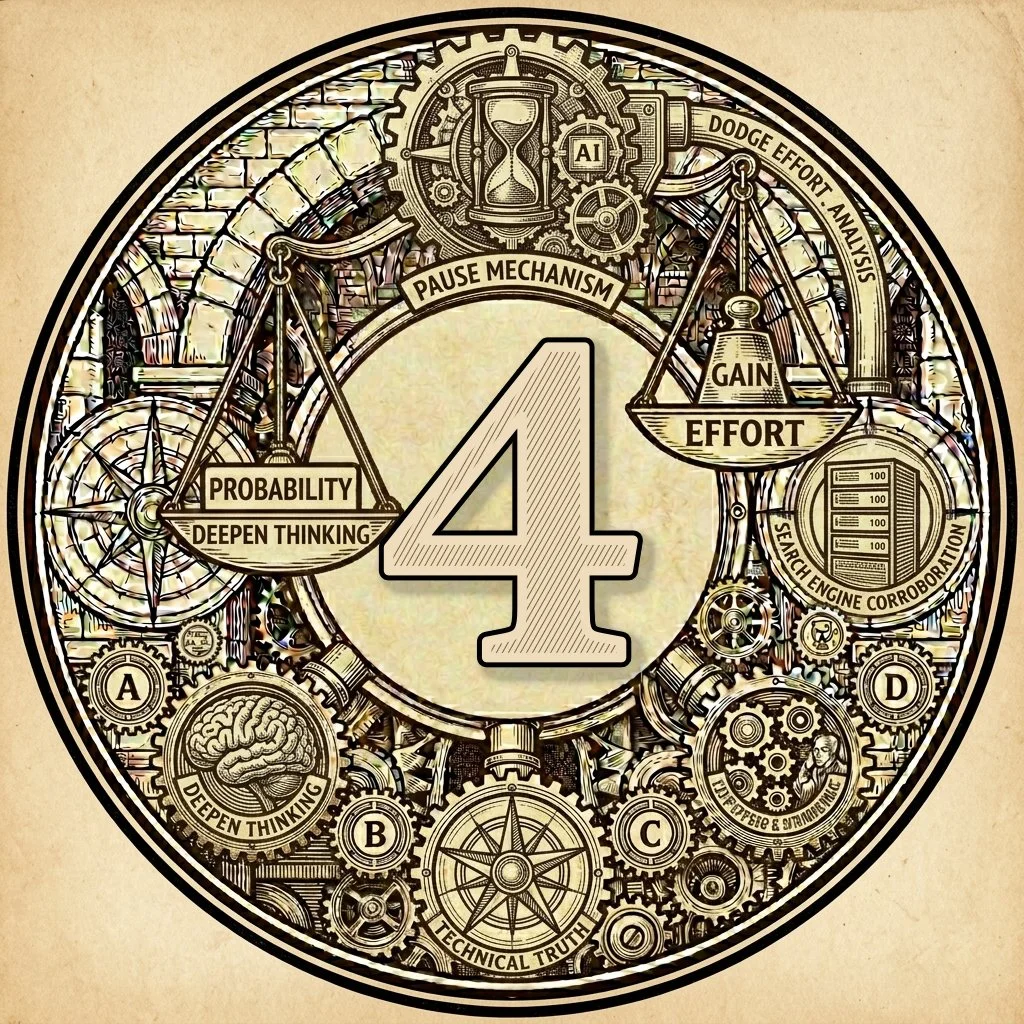
Pause for thought
Before you hit ‘Submit,’ pause. Ask, ‘Am I using this tool to deepen my thinking (long-term gain) or to dodge the effort entirely (short-term convenience)?
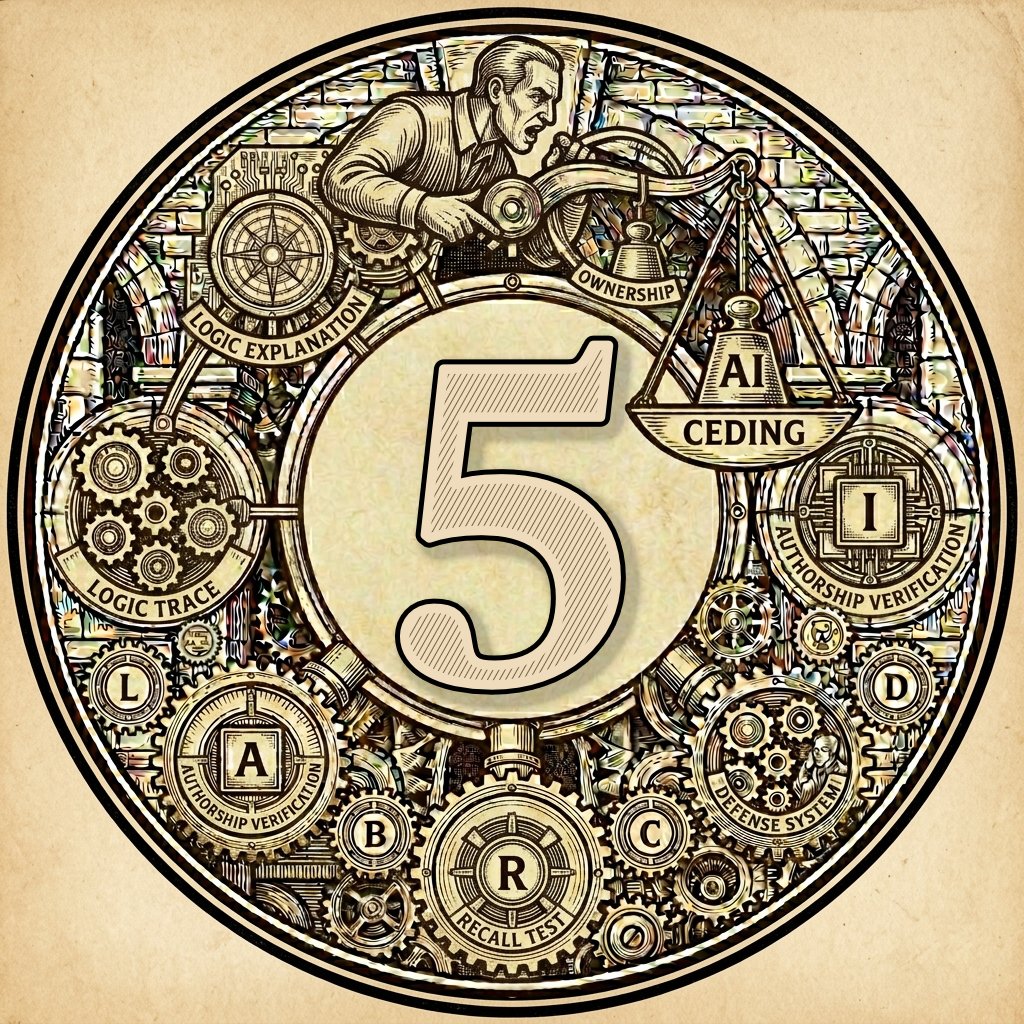
Test your ownership
Can you explain the logic behind what you just wrote? If not, you have likely ceded authorship to AI. You should be able to recall and defend your content—otherwise, do you truly own it?
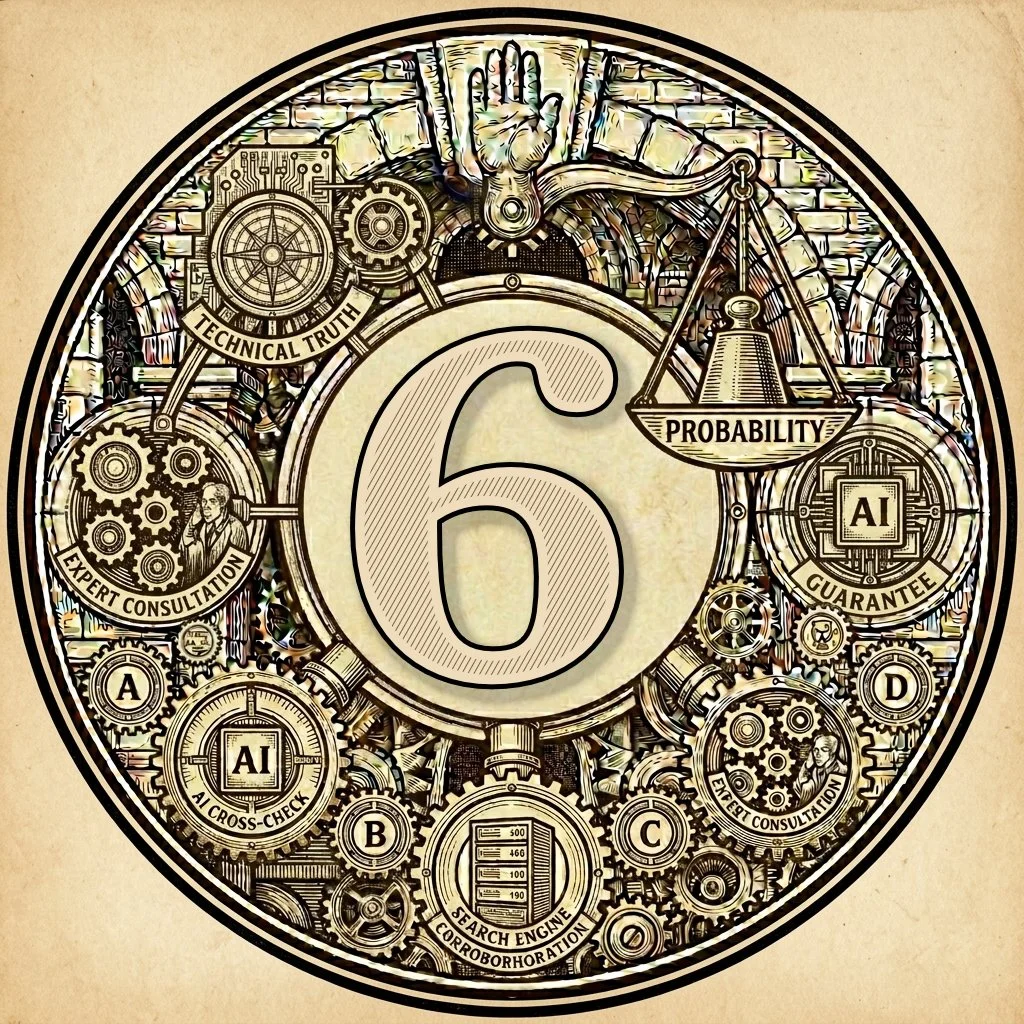
Protect the developing mind
Brains are still maturing until roughly age 25, so parents, educators, and employers should set thoughtful boundaries on AI use and teach healthy habits until self-regulation is stronger.
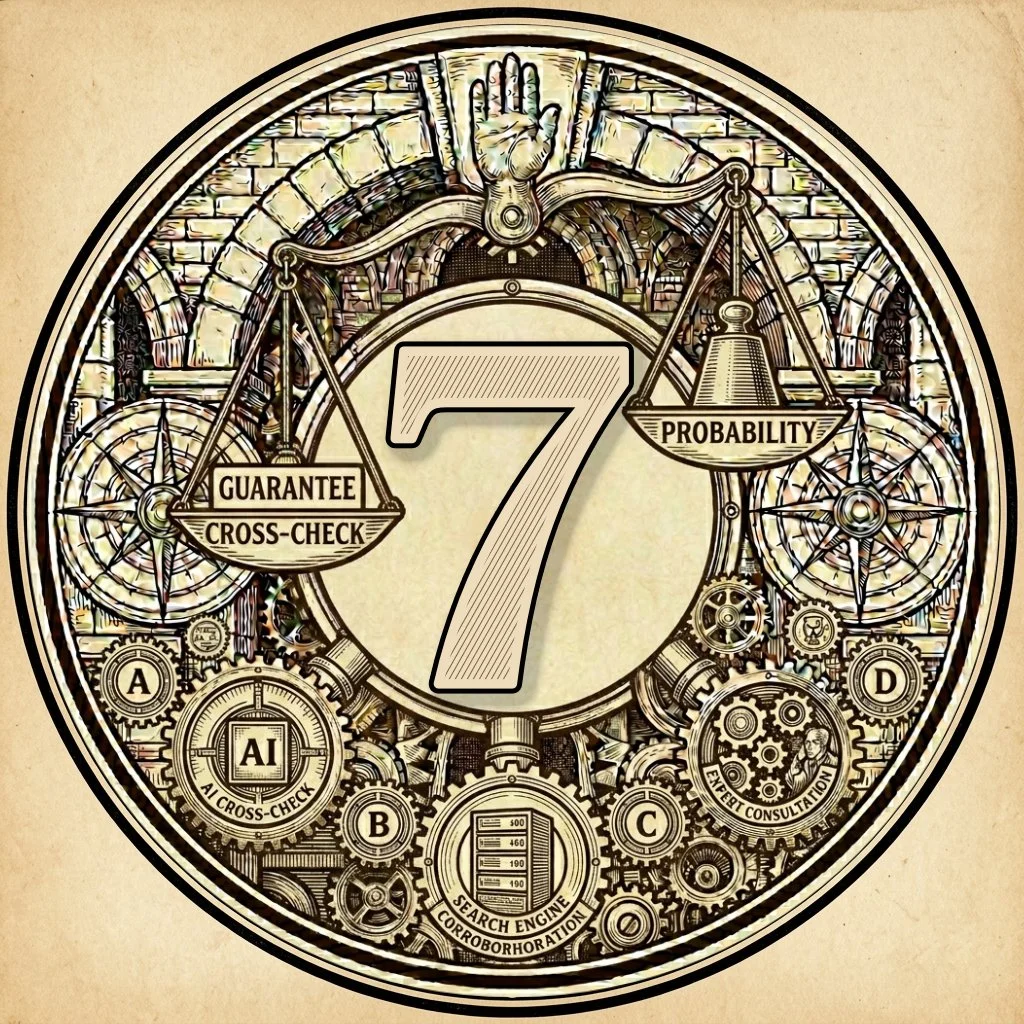
Prioritise active brain
Keep your mind active. Choose tasks that require curiosity and problem-solving. On a walk, for instance, mentally work through a challenge rather than defaulting to podcasts or music, or talking to a ChatBot.
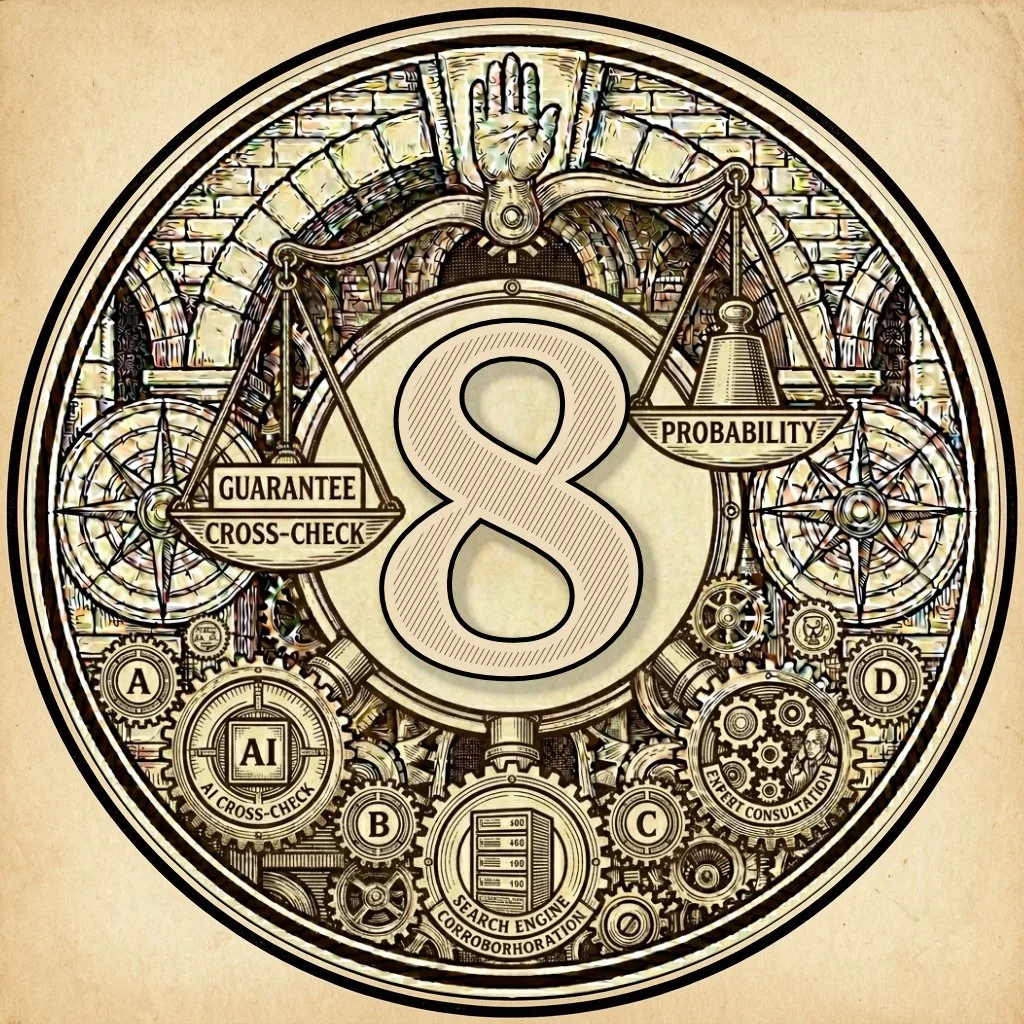
Verify the truth
Never accept an AI answer uncritically. Language models predict likely text; they do not guarantee truth. Cross-check with multiple sources—other AIs, search engines, and knowledgeable people.
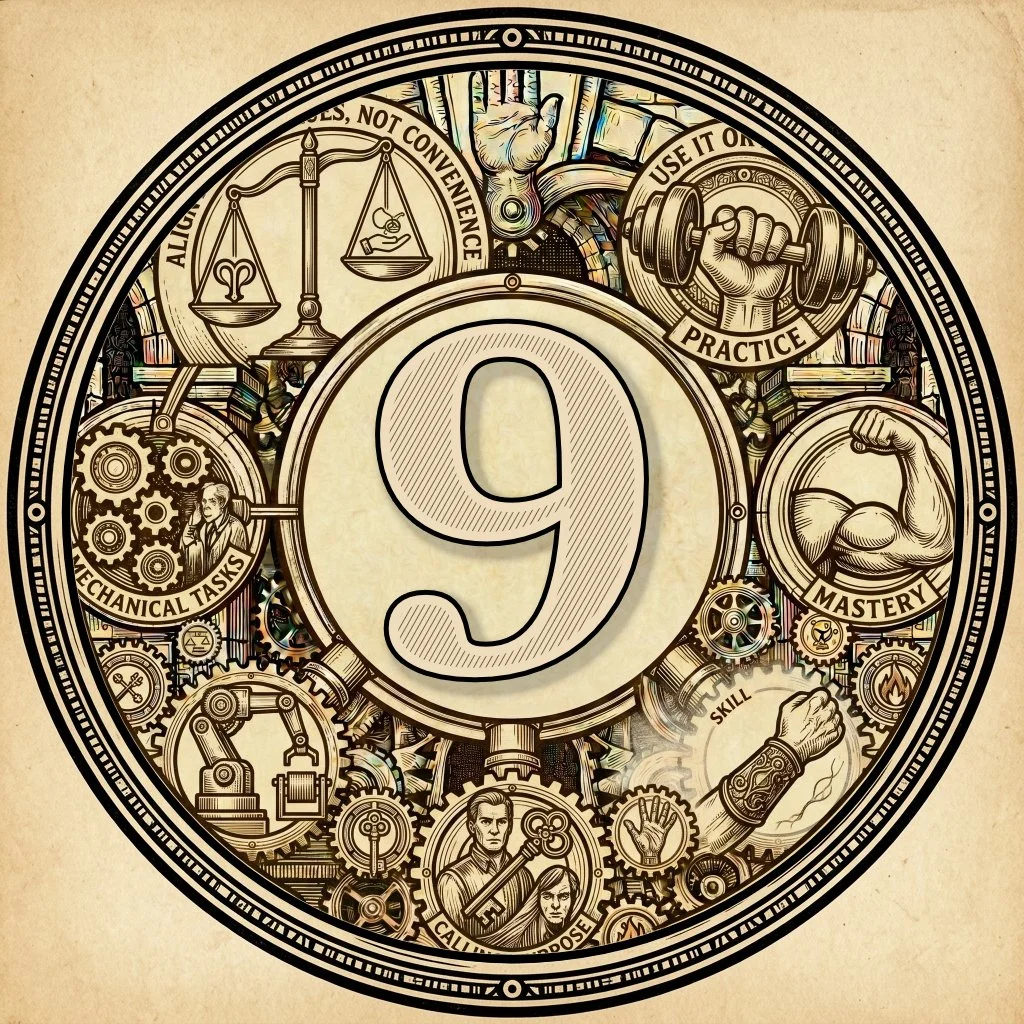
Align AI with values, not convenience
Use AI for low-value, mechanical tasks, not for work central to your calling. What you outsource, you gradually lose the ability to do. Use it or lose it!
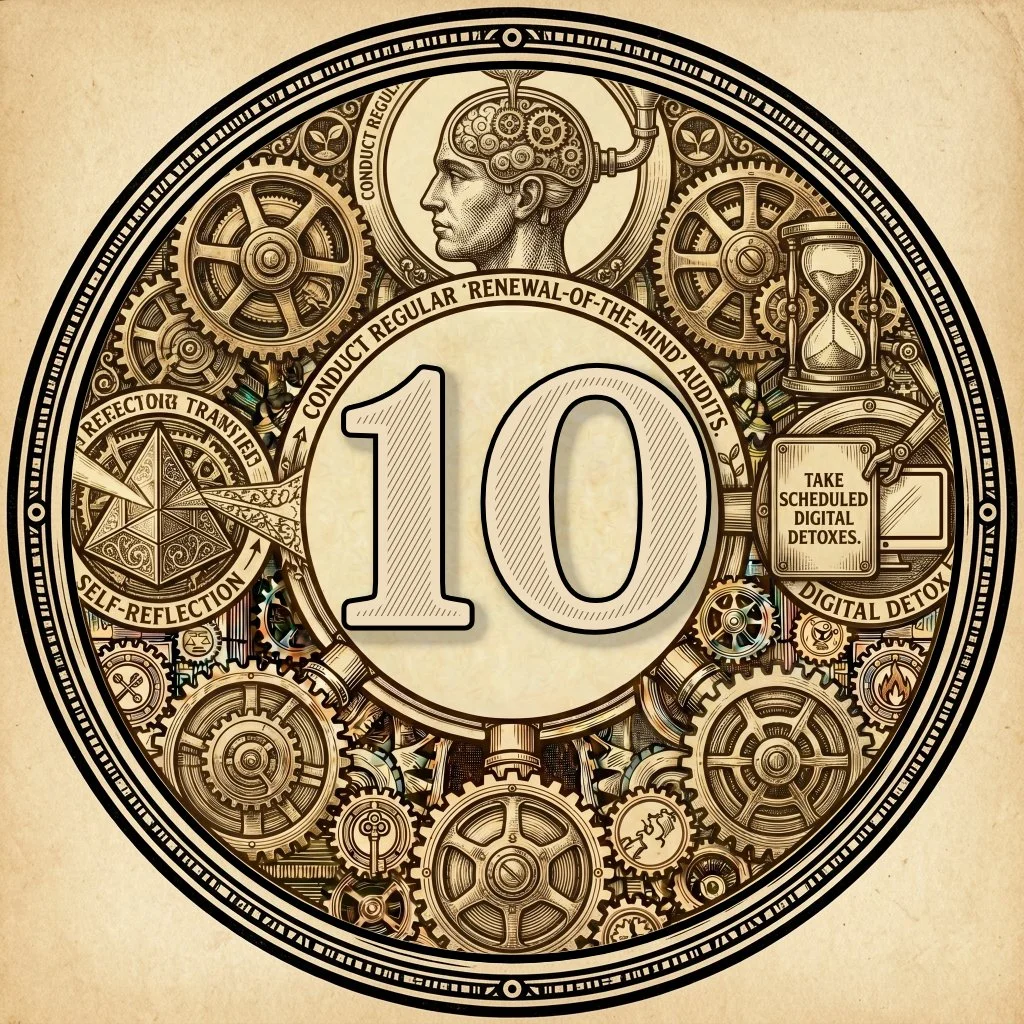
The ‘Renewal of the Mind’ audit
Conduct regular ‘renewal-of-the-mind’ audits. Take scheduled digital detoxes and ask whether your tech habits are transforming your mind for the better—or merely letting it idle.
So that’s our 10. What’s yours? Let us know in the comments.
→ Download a PDF version of the guardrails.